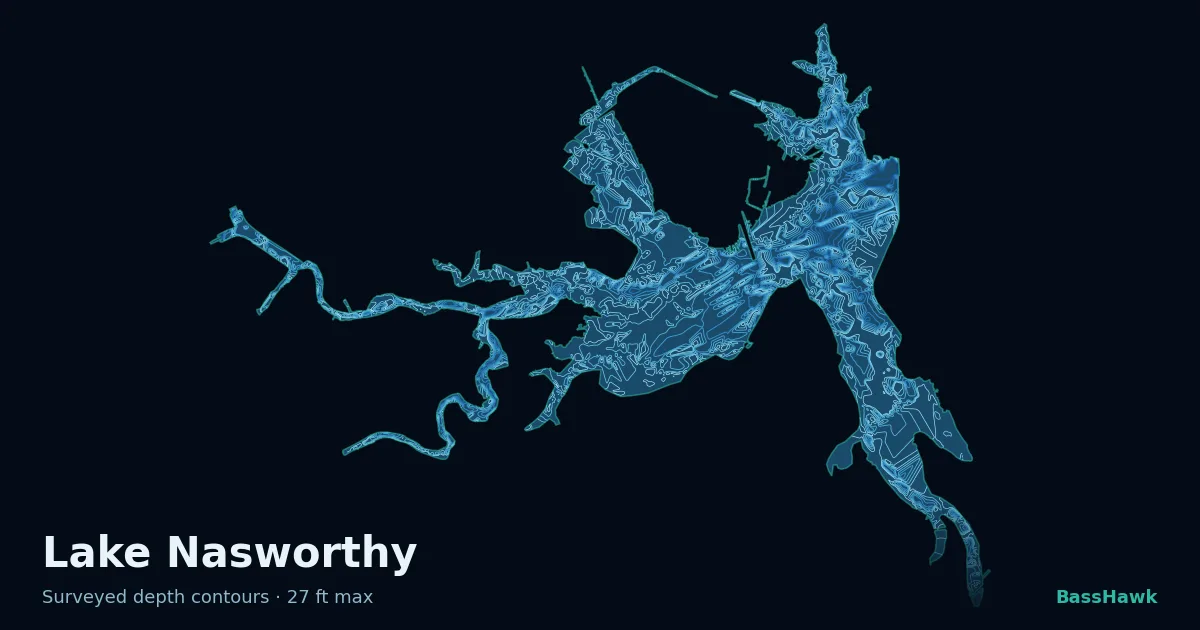
Brutal heat keeps bass buried in reed shade. Flip thick cover early, then target the deepest dock timber midday.
August heat at 92 degrees has bass in full survival mode. They're locked into the shadiest reed beds they can find, 1 to 3 feet deep, and won't move far from cover. The water is slightly stained, which helps you because the bass don't spook as easily, but you still have to drop your bait right on their nose. Pressure is falling ahead of some weather, so there's a small window of increased aggression right now and again this afternoon around 2 PM, but that window is short. Without rain, expect slow action. The real bite comes early before the sun gets brutal, late after it drops, and tucked under docks and timber out of the direct heat midday. Clear skies and that south wind will keep shallow water uncomfortable all day, so work transitions between shade and deep water when you can.
The day's game plan
Where to fish
- Reed Banks — 1 to 3 feet · Dense emergent reeds with gaps and holes between clumps, particularly along the main lake edges and creek channel mouths.
Bass use reeds for shade and cover. In peak heat, they burrow into the thickest reed beds available. Year-round pattern on Nasworthy. Early morning and late evening, bass set up in holes and gaps to ambush baitfish. The stained water allows them to stay shallow without spooking. - Dock Timber and Boat Houses — 3 to 8 feet, pilings in 2 to 6 feet · Wooden dock pilings, boathouse supports, walkways, and any man-made cover that creates solid shade.
Docks are thermal refuges during peak heat. Bass slide under and around pilings to escape direct sun. Wooden structures hold cooler water and attract baitfish. Work the shade lines first, then the back pilings. This pattern intensifies as water warms from midday through late afternoon. - Main-Lake Channel Bends and Timber — 8 to 15 feet · Submerged timber, ledges, and outside bends of the main river channel where water runs deeper and current can provide some oxygen.
When bass can't stay shallow due to heat stress, they retreat to the coolest, deepest available structure. Channel bends concentrate bass because they funnel movement and provide overhead cover. Timber gives bass perching spots and shade. This is the midday refuge and the deep-summer summer pattern. - Creek Channel Swings — 4 to 10 feet, transitions from 2 to 15 feet · Where shallow creek flats transition into the main river channel, including inside bends with structure and outside bends with drop-offs.
Bass use channels as highways between shallow flats and deep water. Channel swings concentrate bass, especially in summer when they need fast access to both feeding and resting zones. These areas hold transition fish and intercept bass moving on and off the flats throughout the day.
What to throw
- Green Pumpkin Soft Plastic Worm — 4 in · Green pumpkin · 1/4 oz Texas rig (Early morning and late evening in the reeds, anytime you're targeting shallow cover.)
Flip into reed bases with a short cast. Drop on slack line, wait for it to settle, then shake gently. Set hard when you feel a bite. Work holes and gaps in dense reed clumps. - Black/Green Pumpkin Swim Jig — n/a · Black or green pumpkin head with matching soft plastic trailer · 1/2 oz (Mid-morning through early afternoon when bass move to dock shade.)
Slow roll it along dock pilings, boathouse supports, and timber edges. Maintain bottom contact or fish it just above submerged structure. Let it glide and kick naturally. Don't speed up. Pause at laydowns. - White Chatterbait — n/a · White blade with white or chartreuse trailer · 1/2 oz (Evening and dusk when bass move shallow and light conditions change.)
Cast into edge zones where reeds thin or near docks. Retrieve with a steady, snappy retrieve that keeps the blade thumping. Don't pause. Work 30 to 50 feet of water per cast, then move. - Watermelon Shaky Head Worm — 3 in · Watermelon or smoke · 1/2 oz (Midday on deep structure when sun is hottest.)
Drop it to the bottom on timber and channel bends. Hop it 6 inches at a time, then pause 2 to 3 seconds. Repeat. Work vertically, not horizontally. Let gravity do most of the work. - Black Topwater Popper — 3 to 4 in · Black · n/a (Evening and dusk when light is falling and bass move back to the shallows.)
Cast into shallow reed pockets and work it toward deeper water. Pop it sharply every 3 to 4 feet, creating a small splash. Pause 1 to 2 seconds between pops. Work methodically and cover edges, not open water.
How to work it
- Flipping — Early morning and late evening in 1 to 3 feet of water. · Reed bases, reed gaps, laydowns in shallow water.
Use a short, accurate cast (15 to 30 feet) with a 1/4 oz Texas rig into dense cover. Keep your rod tip high, drop the bait on slack line, and feel for the bite. Set with a hard hookset. - Slow Rolling — Mid-morning through midday as bass move to shade. · Dock pilings, timber, channel edges in 3 to 8 feet.
Cast a 1/2 oz swim jig or blade-equipped lure and retrieve at a steady, slow pace while maintaining contact with structure. Keep the rod tip around 9 o'clock. Let the bait do the talking, don't twitch it. - Vertical Hopping — Midday when bass are deep and lethargic. · Main-lake timber, channel bends, deep structure in 8 to 15 feet.
Drop a shaky head or light jig to the bottom. Hop it 6 inches with small rod movements, then pause. Repeat. Fish directly below or beside structure. Let the worm stay visible to bass for 2 to 3 seconds between hops. - Topwater Popping — Evening and dusk when bass move back shallow. · Reed flats, dock areas, transition zones in 1 to 4 feet.
Cast to reed edges and shallow pockets. Pop the rod tip down sharply to create a small splash and sound. Pause 1 to 2 seconds, then pop again. Work methodically and cover edges where bass transition from shallow to deeper water.
Pro tips
- Pressure is dropping ahead of some weather. You've got a small window of increased willingness right now and again around the 1:55 PM solunar major. That's when bass will be slightly more willing to chase and less locked into the densest cover. Fish faster and cover more ground during those windows instead of grinding one spot. It doesn't last long, so take advantage.
- In 92-degree water at full sun, never fish the open flats between reeds and timber. Bass are not there. Every fish is in shade or deep. Work the reed bases, the dock shadows, and the deep timber. Skip the in-between. You're looking for two things: the darkest shadow you can find, or the deepest water within striking distance of where bass came from. All other water is wasted casts.
- The water is stained, which is a help today. It means bass stay shallower because they don't spook as easily in reduced light. Don't switch to bright, flashy colors thinking you need visibility. Stick with natural colors and darker tones. In stained water, visibility is secondary to match and profile. A 4-inch worm outfishes a 6-inch swimbait here because it fits into the cover and looks more like the shad bass are actually eating.
If conditions change
If a front rolls through and the pressure rises and the wind shifts north, expect a shutdown for 12 to 24 hours after it passes. The bite will tighten to the thickest cover available. Downsize baits to 3-inch worms, slow everything down, and target dock pilings and deep timber exclusively. If the wind stays south or even picks up, the shallow reed bite actually improves slightly because wind breaks up the sun glare and oxygenates shallow water. If rain moves in and the water becomes muddier than it already is, switch to darker colors (black, junebug) and louder presentation (chatterbait with a larger blade, topwater with more splash). If it clears unexpectedly, go smaller on soft plastics and lengthen your leader, but honestly this water rarely clears much in summer. Stay with the shade and deep structure pattern regardless. Any cooling water temp below 85 degrees will push bass slightly shallower and more willing to chase, so adjust by fishing the transition zones between reeds and timber more aggressively.
Find more fish. This is a real report from that day's conditions — open the app for today's · free account